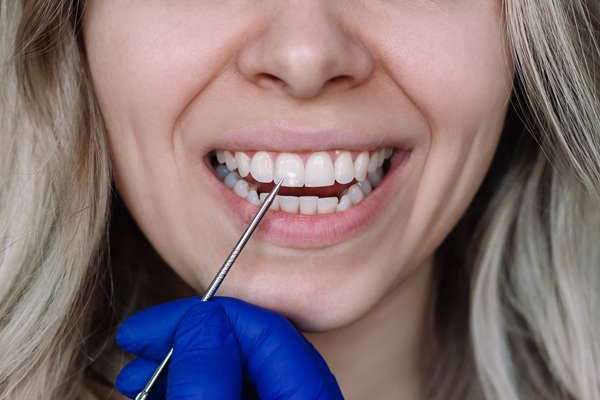
Oral pathology is the study and diagnosis of diseases that affect the mouth, jaw, and surrounding structures. Recognizing early signs of oral diseases is essential, as many conditions can progress if left untreated, impacting not only oral health but also overall health. For patients and healthcare providers alike, understanding the basics of oral pathology can aid in identifying abnormalities and seeking timely intervention. Here are some key signs and symptoms of common mouth diseases to watch out for.
Mouth sores or ulcers
According to the Oral Health Foundation, mouth ulcers that do not disappear within two weeks are a reason to consult an oral pathology specialist, like an oral surgeon. While most mouth ulcers result from minor injuries or irritation, persistent sores can be a sign of oral cancer or other serious conditions like herpes simplex virus infection. Regular observation of any sore, particularly if it appears white, red/speckled, and does not improve, is crucial for early detection.
Discolored patches
The appearance of white (leukoplakia) or red (erythroplakia) patches in the mouth is a key indicator of abnormal tissue changes. White patches are usually painless and may go unnoticed, while red patches are often more concerning due to their association with a higher risk of malignancy. Note these patches are considered more alarming when the patient or a dental professional cannot scrape them off with a dental tool. According to the American Cancer Society, these patches can lead to a pre-cancerous condition called dysplasia or oral cancer itself.
Lumps or swelling
When one becomes sick, they can experience swelling in the throat, which usually means swollen lymph nodes and thyroid. However, as the sickness runs its course and exits the body, the swelling returns to normal size. When swelling fails to dissipate and couple with thick areas in the mouth and cheeks, this may indicate various conditions, including benign cysts, infections, or even tumors. Often, these lumps are painless at first, which is why many people may overlook them. However, any swelling or unusual mass that persists warrants an oral pathology examination to rule out serious conditions, such as oral cancer or salivary gland disorders.
Difficulty with performing normal oral function
Normal oral function pertains to chewing, swallowing, and speaking. Difficulty performing any of these tasks is not normal and often indicates underlying issues within the mouth or throat. Such difficulties may result from inflammation, infection, injury, or abnormal growth. Persistent issues with oral function can significantly impact a person's quality of life and signal a need for further investigation.
Chronic bad breath or unusual taste
It is normal to have the occasional case of bad breath, such as when one first wakes up or consumes food with an odor, like onions or garlic. However, the smell should dissipate after performing appropriate oral hygiene techniques. Persistent cases that do not go away after brushing and flossing or return fairly quickly after performing these techniques may signal an infection or disease. Conditions like periodontal disease, halitosis, and even some cancers can lead to these symptoms.
Check-in on your oral health
None of the above signs are normal to experience. Whether you are experiencing one or multiple, it is a sign of a far deeper issue that must be promptly addressed. For an in-depth evaluation, diagnosis, and treatment, contact Platte Valley Oral Surgery today.
Request an appointment here: https://brighton.drjstearns.com or call Platte Valley Oral Surgery at (303) 997-0223 for an appointment in our Brighton office.
Check out what others are saying about our services on Yelp: Oral Pathology in Brighton, CO.
Recent Posts
Maxillofacial surgery is a specialized field focused on correcting issues related to the jaw, face, and mouth. It is often recommended for individuals who experience difficulties with jaw alignment. These issues can impact both function and appearance. A maxillofacial surgeon can significantly improve a person's ability to speak, chew, and breathe while also improving the…
Temporomandibular joint (TMJ) disorders can cause significant discomfort and affect your overall quality of life. TMJ treatment is an important consideration if you are experiencing jaw pain, headaches, or difficulty chewing. Oral surgeons recommend distinct treatment options based on the severity and specific cause of the condition.In many cases, conservative approaches represent the first line…
Surgical tooth extractions are more complicated than ordinary dental extractions. These procedures need a higher level of experience and skill. That is why an oral surgeon is the right dental provider to perform them. Knowing when surgical tooth extractions are necessary can help prepare you for your upcoming treatment.The oral surgeon will assess the tooth…
All on 4 dental implants are permanent solutions to missing teeth. This dental replacement system can replace many teeth in one dental arch. It can also replace a full dental arch. You can achieve a natural-looking smile while enhancing your oral health. Here are the details on why All on 4 is the most effective…