Cleft Palate Treatment: The Long-Term Effects of a Cleft Palate

Understanding the structural development of the face requires thorough surgical care, making comprehensive cleft palate treatment a critical pathway to restoring normal speech, feeding, and facial alignment throughout life. A cleft palate occurs when tissue forming the roof of the mouth fails to fuse completely during early fetal development. Without timely intervention, this separation leads to ongoing physical, functional, and social challenges as a child grows into adulthood.
Cleft palate treatment can support speech development
The palate helps control airflow between the mouth and nose during speech. When the opening or muscle function remains incomplete, speech may sound overly nasal, and some sounds can become difficult to produce. Surgical repair helps create separation between the oral and nasal cavities, but some patients need speech therapy or additional procedures as they grow. Of course, ongoing speech evaluations help the oral surgeon determine whether additional support is necessary.
Hearing problems may require continued monitoring
According to Science Direct, children with cleft palate have a 90 percent higher risk of middle ear fluid and recurring ear infections because the muscles involved in opening the Eustachian tubes may not function normally. These problems can affect hearing, which may also influence speech and language development. Therefore, hearing tests and evaluation by an ear, nose, and throat specialist may become part of long-term care. As a result, cleft palate treatment often involves coordination among surgical, hearing, and speech professionals rather than a single procedure.
Dental development can change over time
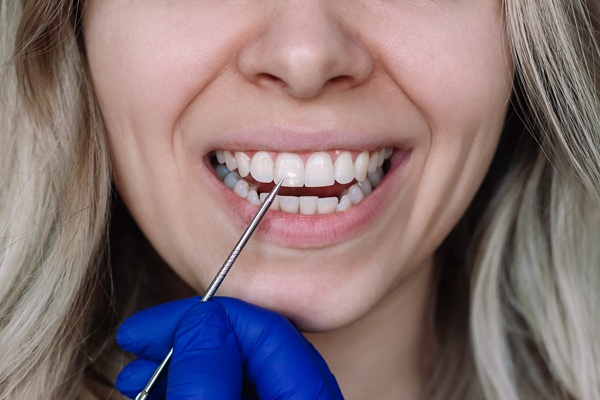
A cleft that extends through the gumline can affect the area where permanent teeth develop and erupt. Teeth near the cleft may be missing, extra, unusually shaped, or positioned differently, and the upper dental arch may need orthodontic guidance. In some cases, the oral surgeon performs an alveolar bone graft to rebuild bone in the cleft area and create support for permanent teeth. However, the timing usually depends on dental development and the overall treatment plan.
Jaw growth may require later treatment
As a child grows, differences in upper jaw development can affect the bite and facial balance. Orthodontic treatment can guide tooth position, while some patients may eventually need corrective jaw surgery after facial growth is closer to completion. This stage of cleft palate treatment focuses on improving the fit between the upper and lower jaws and supporting chewing and facial function. Note that not every patient requires jaw surgery, so regular evaluations help determine whether it becomes appropriate.
Long-term care is often multidisciplinary
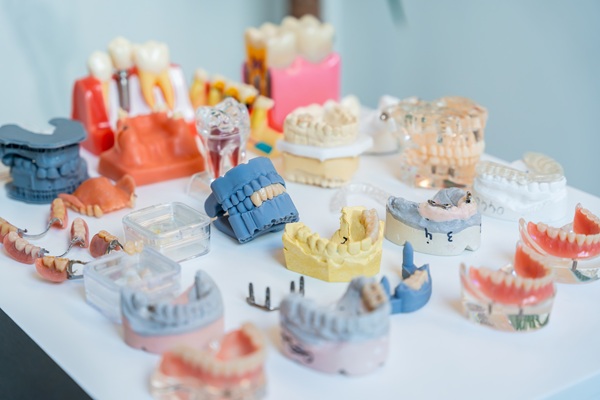
Cleft palate care commonly extends from infancy through adolescence and sometimes into adulthood. As noted above, treatment may involve a variety of processes and specialists, including oral and maxillofacial surgery, orthodontics, speech therapy, hearing care, pediatric dentistry, and other specialties, depending on individual needs. Each stage addresses a different aspect of function, growth, or development, making coordinated follow-up especially important. The goal is not simply to close the palate but to support comfortable eating, understandable speech, dental development, and stable jaw function over time.
Schedule a consultation
An oral and maxillofacial surgeon can help determine where surgery fits within a larger cleft care plan. An evaluation at our office may include review of jaw development, dental needs, previous procedures, and the timing of future treatment. Families can use the consultation to better understand which procedures may be appropriate as growth continues. Call our office to schedule your child's consultation or to learn more information.
Request an appointment here: https://brighton.drjstearns.com or call Platte Valley Oral Surgery at (303) 997-0223 for an appointment in our Brighton office.
Check out what others are saying about our services on Yelp: Cleft Palate Treatment in Brighton, CO.
Recent Posts
Oral pathology is the study and diagnosis of diseases that affect the mouth, jaw, and surrounding structures. Recognizing early signs of oral diseases is essential, as many conditions can progress if left untreated, impacting not only oral health but also overall health. For patients and healthcare providers alike, understanding the basics of oral pathology can…
Maxillofacial surgery is a specialized field focused on correcting issues related to the jaw, face, and mouth. It is often recommended for individuals who experience difficulties with jaw alignment. These issues can impact both function and appearance. A maxillofacial surgeon can significantly improve a person's ability to speak, chew, and breathe while also improving the…
Temporomandibular joint (TMJ) disorders can cause significant discomfort and affect your overall quality of life. TMJ treatment is an important consideration if you are experiencing jaw pain, headaches, or difficulty chewing. Oral surgeons recommend distinct treatment options based on the severity and specific cause of the condition.In many cases, conservative approaches represent the first line…
Surgical tooth extractions are more complicated than ordinary dental extractions. These procedures need a higher level of experience and skill. That is why an oral surgeon is the right dental provider to perform them. Knowing when surgical tooth extractions are necessary can help prepare you for your upcoming treatment.The oral surgeon will assess the tooth…