What You Should Know About Bone Grafting
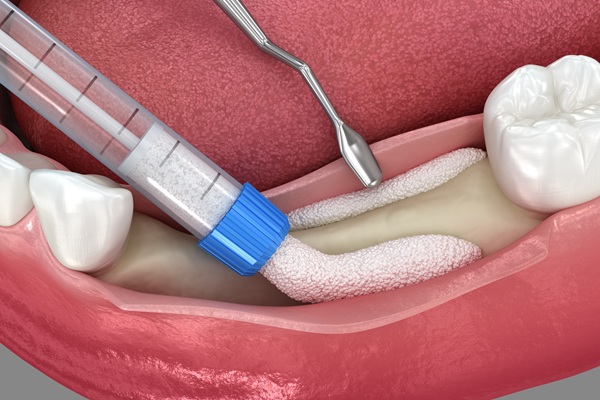
Oral bone grafting procedures can help restore mouth functionality, health, and appearance. These surgical procedures vary in type and extent. Continue reading to learn more about dental bone grafts, the surgical grafting process, and why someone might need oral bone grafts.
The oral bone grafting process
Surgeons perform bone grafts throughout the body. Oral bone grafting occurs in the mouth, usually in or around the teeth and jaw bone. Oral surgeons conduct bone grafts to replace missing bone or stimulate bone growth in one or more areas. Below are some additional details you should know about the surgical procedures involved, the different kinds of grafts, and the reasons for dental bone grafts.
The surgical procedure
First, an oral surgeon conducts a thorough exam to determine if, where, and how much grafting is necessary. These exams generally include physical inspections and X-rays. Next, an oral surgeon determines which type of graft is appropriate for the situation. Finally, the surgical procedure takes place.
After appropriately numbing the patient, the surgeon makes any required incisions, places the outside bone material into or onto the existing bone in the mouth, and sufficiently attaches or seals it there so that it remains in place. Sometimes an extra covering is added during the healing process as well. Your surgeon may also prescribe pain killers or antibiotics. Make sure you carefully follow all recovery instructions and maintain good contact with your surgeon while you heal.
Types of dental bone grafts
There are many kinds of dental bone grafts. Below are some of the most common.
- Autografts that use the patient's own bone tissue from other locations on the body
- Allografts that use human bone tissue obtained from another individual
- Artificial grafts created out of ceramics, glass, or other man-made materials
- Alloplasts that use the naturally occurring bone mineral called hydroxyapatite
- Xenografts that use animal bone tissue
Each type of graft goes through a rigorous testing and decontamination cycle before being placed in a person's mouth to minimize the risk of contrary immune system responses and infection.
Reasons for tooth and jaw bone grafting
Several dental conditions may require or benefit from bone grafts. One of the most common uses for oral surgical bone grafts is placing dental implants. Implants require a substantial foundation to function correctly. Bone grafts can create this necessary foundation by filling in and creating sufficient bone for attachment or by infusing the bone already there with bone minerals and tissues that prompt further natural bone growth.
Later stages of periodontal disease often destroy or erode bone. Bone grafts might be used to help heal and fix structural issues caused by gum disease once the infection has been cleared. Occasionally, surgeons also conduct bone grafting operations to correct trauma or other bone loss issues, particularly those surrounding the jaw bone.
Conclusion
Bone grafts can heal, provide much-needed support, and help improve the look and feel of your mouth. The oral surgery process is also minimal, safe, and effective when compared to other possibilities and procedures.
We want to help restore your mouth to its full oral potential. Consult one of our oral surgeons about bone grafting today.
Request an appointment here: https://brighton.drjstearns.com or call Platte Valley Oral Surgery at (303) 997-0223 for an appointment in our Brighton office.
Check out what others are saying about our services on Yelp: Bone Grafting in Brighton, CO.
Recent Posts
Oral pathology is the study and diagnosis of diseases that affect the mouth, jaw, and surrounding structures. Recognizing early signs of oral diseases is essential, as many conditions can progress if left untreated, impacting not only oral health but also overall health. For patients and healthcare providers alike, understanding the basics of oral pathology can…
Maxillofacial surgery is a specialized field focused on correcting issues related to the jaw, face, and mouth. It is often recommended for individuals who experience difficulties with jaw alignment. These issues can impact both function and appearance. A maxillofacial surgeon can significantly improve a person's ability to speak, chew, and breathe while also improving the…
Temporomandibular joint (TMJ) disorders can cause significant discomfort and affect your overall quality of life. TMJ treatment is an important consideration if you are experiencing jaw pain, headaches, or difficulty chewing. Oral surgeons recommend distinct treatment options based on the severity and specific cause of the condition.In many cases, conservative approaches represent the first line…
Surgical tooth extractions are more complicated than ordinary dental extractions. These procedures need a higher level of experience and skill. That is why an oral surgeon is the right dental provider to perform them. Knowing when surgical tooth extractions are necessary can help prepare you for your upcoming treatment.The oral surgeon will assess the tooth…